
Flatbed and Oversized
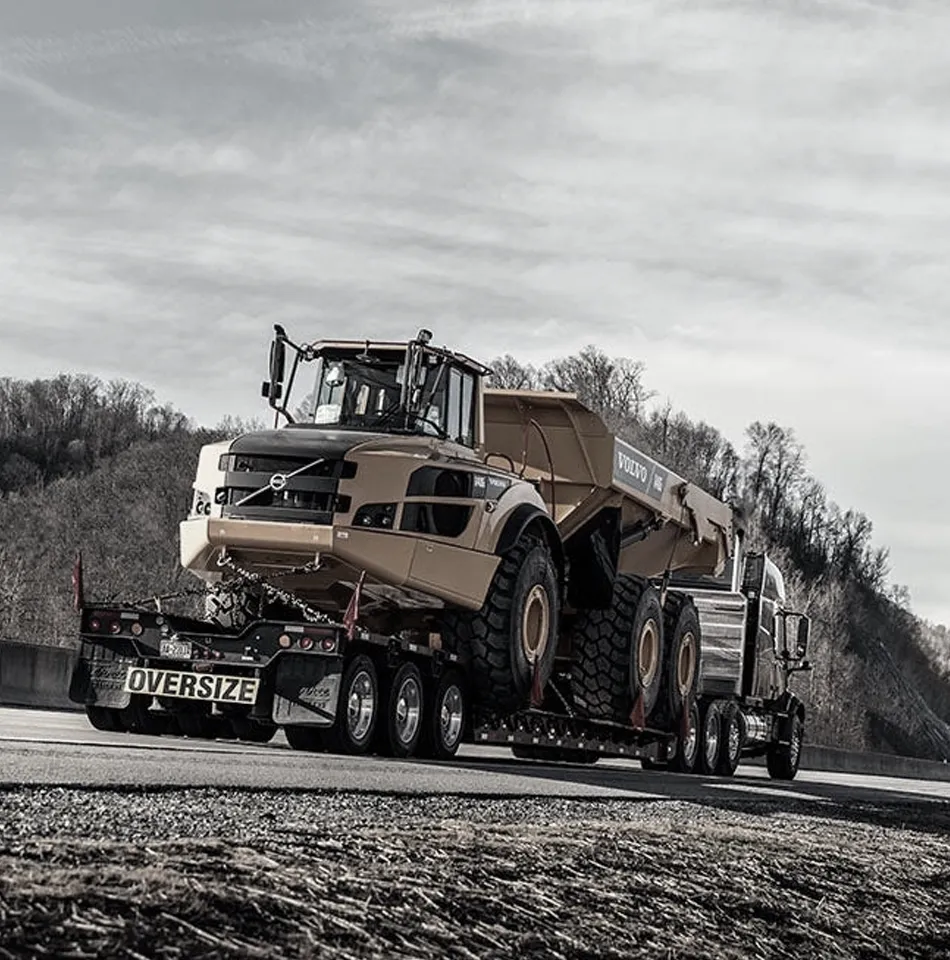
The Tooling Costs More Than the Truck.
Open-deck transport for aerospace tooling, fixtures, and major assemblies.
A damaged assembly jig does not get replaced in a week. It gets remanufactured, requalified, and re-inspected while your line runs short. We move aerospace freight across the border on open deck with the securement plan, the export documentation, and the handling controls agreed before the trailer arrives at your dock.
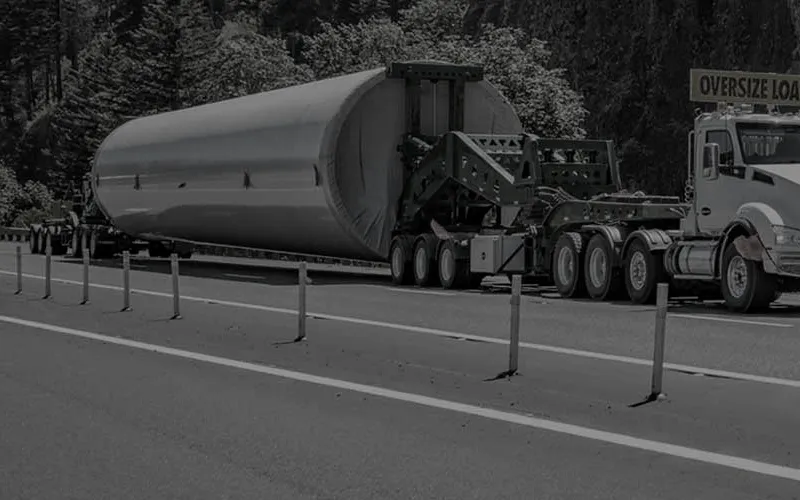
Your risk is not the freight cost. It is the line stoppage.
Aerospace manufacturing in Mexico sits in three clusters: Queretaro, Chihuahua, and the Baja and Sonora corridor. Most of what leaves those plants on an open deck is not a commodity. It is a machining center being relocated, an assembly fixture built to a single program, an autoclave, a wing jig, or a test stand. The freight invoice is a rounding error next to what a damaged unit costs in schedule.
That changes what matters. Transit time is rarely the constraint. What matters is that the cradle matches the part, that the securement plan does not put a strap across a machined surface, that nothing on the trailer can become foreign object debris, and that the export paperwork holds up if the shipment contains controlled items.
PC Global Logistics coordinates the route survey, the permits, the securement plan, and the customs filing in house, and we agree the handling requirements with your quality and compliance teams in writing before dispatch. If your program has packaging specifications, no-touch requirements, or a designated receiving window at the destination plant, those go into the shipment plan, not into a phone call at the border.
The handling plan is signed off before the truck is booked.
On aerospace freight the expensive mistakes happen at loading and at customs, not on the highway. Both are planning problems, so that is where the work goes.
Dimensions, weight, center of gravity, lift points, and any packaging or handling specification your program requires. If the item is export controlled, that is established here, not at the bridge.
Cradle or fixture confirmed against the part. Strap and chain placement mapped away from machined and sealed surfaces. Edge protection specified. Trailer inspected for loose hardware before loading.
Every segment checked against clearances, weight limits, and curfews on both sides of the border. Permits pulled per state and pilot cars arranged where width or height requires them.
Pedimento and U.S. entry prepared so the commodity description, values, and dimensions agree with the permit and with your export documentation. Filed before the truck reaches the crossing.
Milestone updates through delivery so the destination plant has the crane, the rigging crew, and the inspection team scheduled for the right hour rather than the right day.
"Nobody remembers what the freight cost. Everybody remembers the six weeks the line was down."
PC Global Logistics. Laredo, Texas. Since 2016.Deck height decides whether you need a permit.
The same machining center is legal on a step deck and over-height on a standard flatbed, purely because the deck sits twenty inches higher. On aerospace freight that difference is not just permit cost. An over-height move brings escorts, restricted travel windows, and a delivery date you cannot promise to a program manager.
| Equipment | Deck Height | Max Legal Cargo Height | Typical Aerospace Freight | Weather Protection |
|---|---|---|---|---|
| Conestoga Preferred | 60 in | 8 ft 2 in | Tooling, fixtures, composite panels, finished assemblies | ✓ Enclosed, no dock required |
| Standard Flatbed | 60 in | 8 ft 6 in | Raw stock, extrusions, weldments, crated components | Tarped |
| Step Deck | 40 in | 10 ft | CNC machining centers, assembly fixtures, test stands | Tarped |
| Double Drop | 22 in | 11 ft 6 in | Autoclaves, presses, tall jigs, environmental chambers | Tarped |
| RGN | 18 in | 12 ft | Ground support equipment, self-propelled units | Tarped |
| Multi-Axle Heavy Haul | Configurable | Permit dependent | Wing jigs, fuselage tooling, superload assemblies | Case by case |
Figures are standard industry values and vary by trailer and jurisdiction. Send your dimensions and packaging specification and we will confirm equipment and permit requirements.
Aerospace freight through the Laredo corridor.
Any broker can source a step deck. Fewer will put the securement plan in writing before the truck is dispatched, and fewer still handle the customs filing themselves so the export paperwork and the permit describe the same thing.
Handling Requirements in Writing
If your program specifies lift points, no-touch surfaces, packaging, or FOD controls, those go into the shipment plan and to the driver before loading. We confirm securement against the part rather than against a generic diagram, and we verify it at the origin yard. On tooling and fixtures that is where claims are prevented, because once a strap is across the wrong surface the damage is already done.
Export Documentation That Matches the Permit
Aerospace shipments frequently involve export controlled items, temporary imports for repair and return, or IMMEX program flows. The commodity description, values, and dimensions have to agree across the pedimento, the U.S. entry, and the over-dimensional permit. We file customs in house, so those documents are prepared by one team rather than reconciled between three. See our Customs Coordination service.
CTPAT and Continuous Visibility
CTPAT certification means our security procedures have been validated by U.S. Customs and Border Protection, which matters on high-value freight that would otherwise draw secondary inspection. Every load carries live GPS with milestone updates, so your receiving plant can schedule the crane and the inspection crew to the hour. For enclosed and temperature-sensitive alternatives, see our Full Truckload service.
Aerospace Open Deck FAQ.
Send us the drawing.
Dimensions, weight, lift points, and any packaging or handling specification your program requires. We will confirm equipment, run the route, price permits and escorts, and come back with an all-in rate. Same business day on standard loads. New commercial accounts receive $1,000 off each of their first five loads.