
Hazmat Transportation
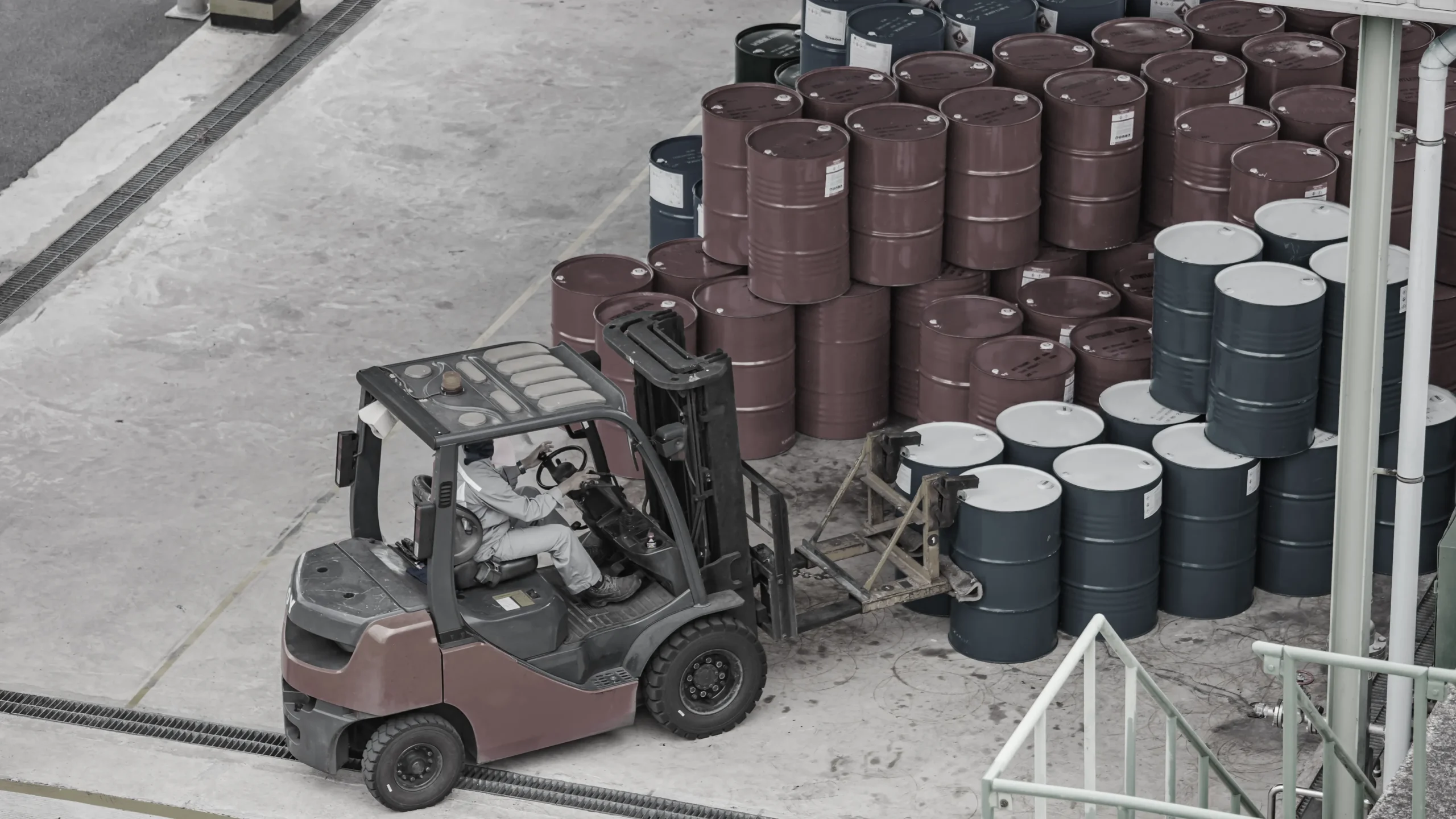
Dangerous Goods. Compliant Before It Ships.
The paperwork moves before the truck does.
Hazardous materials do not get held at the border because of the commodity. They get held because a shipping paper is wrong, a placard is missing, or the classification on the pedimento does not match the one on the bill of lading. We handle the documentation, the placarding requirements, and the customs filing under one team, so your regulated freight clears the crossing the first time.
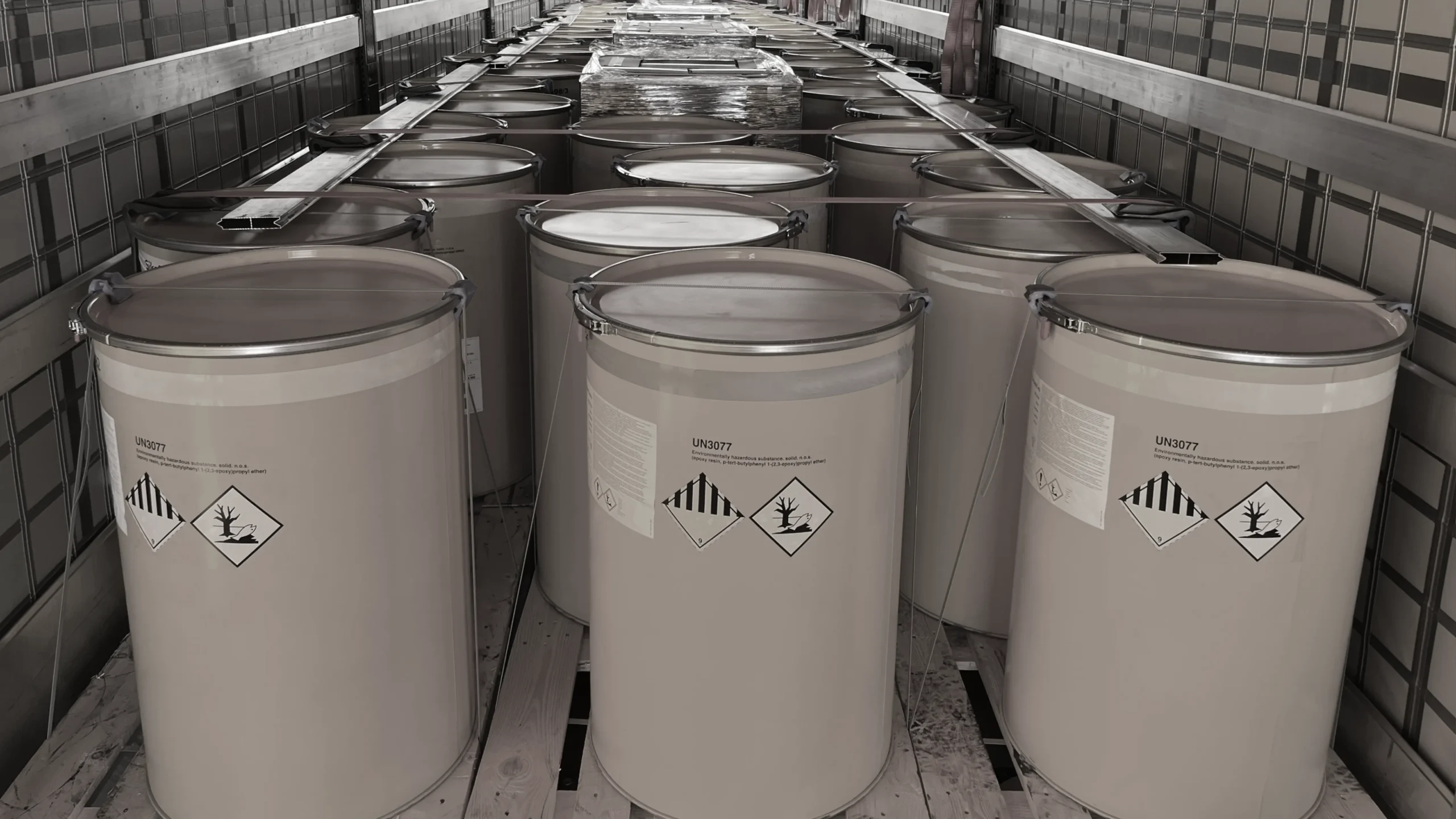
Regulated freight does not fail at the road. It fails at the paperwork.
Hazmat transportation is a documentation problem before it is a trucking problem. A shipment of Class 3 flammable liquids moving from Monterrey to Houston touches SCT regulations on the Mexico side, DOT and PHMSA rules on the U.S. side, and a customs entry that has to describe the same commodity the same way in both filings. When one of those pieces disagrees with another, the load sits at the port of entry.
PC Global Logistics coordinates hazmat freight with carriers qualified for the specific hazard class and lane, drivers with current hazmat endorsements, and shipping papers reviewed before dispatch rather than at the bridge. We are CTPAT certified and we file customs documentation in house, which means the classification on your entry and the classification on your shipping papers are prepared by the same team.
Most brokers hand hazmat to a carrier and hope the paperwork holds. We review the UN number, packing group, and placarding requirements against your commodity before the truck is dispatched. If something does not line up, you hear about it while the freight is still on your dock, not after it has been sitting at Laredo for a day and a half.
Five checkpoints before your hazmat load reaches the bridge.
Every step exists to catch a compliance problem while it is still cheap to fix. A document corrected on your dock costs nothing. The same error found at the port of entry costs a day.
You send the UN or NA number, proper shipping name, hazard class, and packing group. If you do not have them, send the Safety Data Sheet and we work from that. Nothing gets quoted until the commodity is classified.
We assign a carrier qualified for that specific hazard class, with a driver holding a current hazmat endorsement and the insurance limits the commodity requires. No substitutions at dispatch.
Shipping papers, emergency response information, and placarding requirements verified against the load. The same classification is carried into the pedimento and the U.S. customs entry so the filings agree.
Pedimento filed and Previo coordinated before the truck reaches the bridge. Placards verified at the yard. Hazmat loads are routed and scheduled around the crossing hours that apply to regulated freight.
GPS tracking through final delivery, with your team notified at each milestone. POD and the full compliance file archived and available on request for your records or an audit.
"Nobody gets fined for the freight. They get fined for the paperwork that came with it."
PC Global Logistics. Laredo, Texas. Since 2016.What we move, and what we do not.
Hazardous materials are grouped into nine classes under DOT and international standards. We coordinate seven of them. The two we do not handle require licensing and escort requirements outside our scope, and we would rather tell you that now than after you have sent us a load.
| Class | Category | Common Examples | Cross-Border Frequency | PC Global Coverage |
|---|---|---|---|---|
| Class 3 Most common | Flammable Liquids | Solvents, paints, adhesives, alcohols, resins | Very high | ✓ Coordinated regularly |
| Class 8 | Corrosives | Acids, batteries, cleaning compounds | High | ✓ Coordinated regularly |
| Class 9 | Miscellaneous | Lithium batteries, dry ice, elevated temperature material | High | ✓ Coordinated regularly |
| Class 2 | Gases | Compressed, liquefied, and dissolved gases, aerosols | Moderate | ✓ Available, advance notice |
| Class 4 | Flammable Solids | Matches, metal powders, self-reactive substances | Moderate | ✓ Available, advance notice |
| Class 5 | Oxidizers and Organic Peroxides | Fertilizers, peroxides, bleaching agents | Moderate | ✓ Available, advance notice |
| Class 6 | Toxic and Infectious Substances | Pesticides, medical waste, toxic chemicals | Low to moderate | ✓ Case by case review |
| Class 1 | Explosives | Fireworks, ammunition, blasting agents | Low | Not handled |
| Class 7 | Radioactive | Medical isotopes, industrial radiography sources | Low | Not handled |
Coverage depends on commodity, packing group, and lane. Send your UN number and Safety Data Sheet and we will confirm capability before quoting.
Hazmat built for the Laredo corridor.
Most providers treat hazmat as a normal load with extra stickers. Cross-border hazmat is a different problem: two regulatory systems, two sets of shipping papers, and one customs entry that has to reconcile both.
Customs and Compliance Under One Team
The classification on your shipping papers and the classification on your customs entry are prepared by the same people. That sounds small until you have watched a load sit at the port of entry because a broker described the commodity one way and the carrier described it another. We handle customs in house, so there is nothing to reconcile between two companies. See our Customs Coordination service for how the documentation timeline works.
Carriers Qualified for the Specific Class
A carrier authorized for Class 9 lithium batteries is not automatically authorized for Class 8 corrosives. We match the carrier to the hazard class, the packing group, and the lane, and we verify the driver endorsement and insurance limits before the load is assigned. If we cannot cover your commodity properly, we tell you instead of moving it and hoping. Our full equipment picture is on the Full Truckload service page.
CTPAT Certified Since 2016
CTPAT certification means our security procedures have been validated by U.S. Customs and Border Protection. For regulated freight that already draws attention at the crossing, a certified operation reduces the chance of a secondary inspection and shortens the time your load spends at the bridge. Nine years of moving freight through Laredo means we know which commodities get looked at and how to prepare for it. More on the corridor in our Cross-Border Freight service.
Hazmat Transportation FAQ.
Send us the UN number. We will do the rest.
Give us the commodity, the classification, the origin and the destination. We will confirm we can cover it, quote it, and tell you exactly which documents we need from you before dispatch. Same business day response. New commercial accounts receive $1,000 off each of their first five loads.