
LTL Freight

Cross-Border LTL Freight
LTL Freight. Consolidated Loads. No Lost Visibility.
Pay for the space you use. Move freight without losing control at the border.
Less than truckload shipping lets you move freight without filling a full trailer. Your goods consolidate with other shippers, you pay for the pallet positions you occupy, and your load still needs to clear customs, cross the border, and reach the final destination on your timeline. We coordinate all of it under one team from Laredo, Texas.
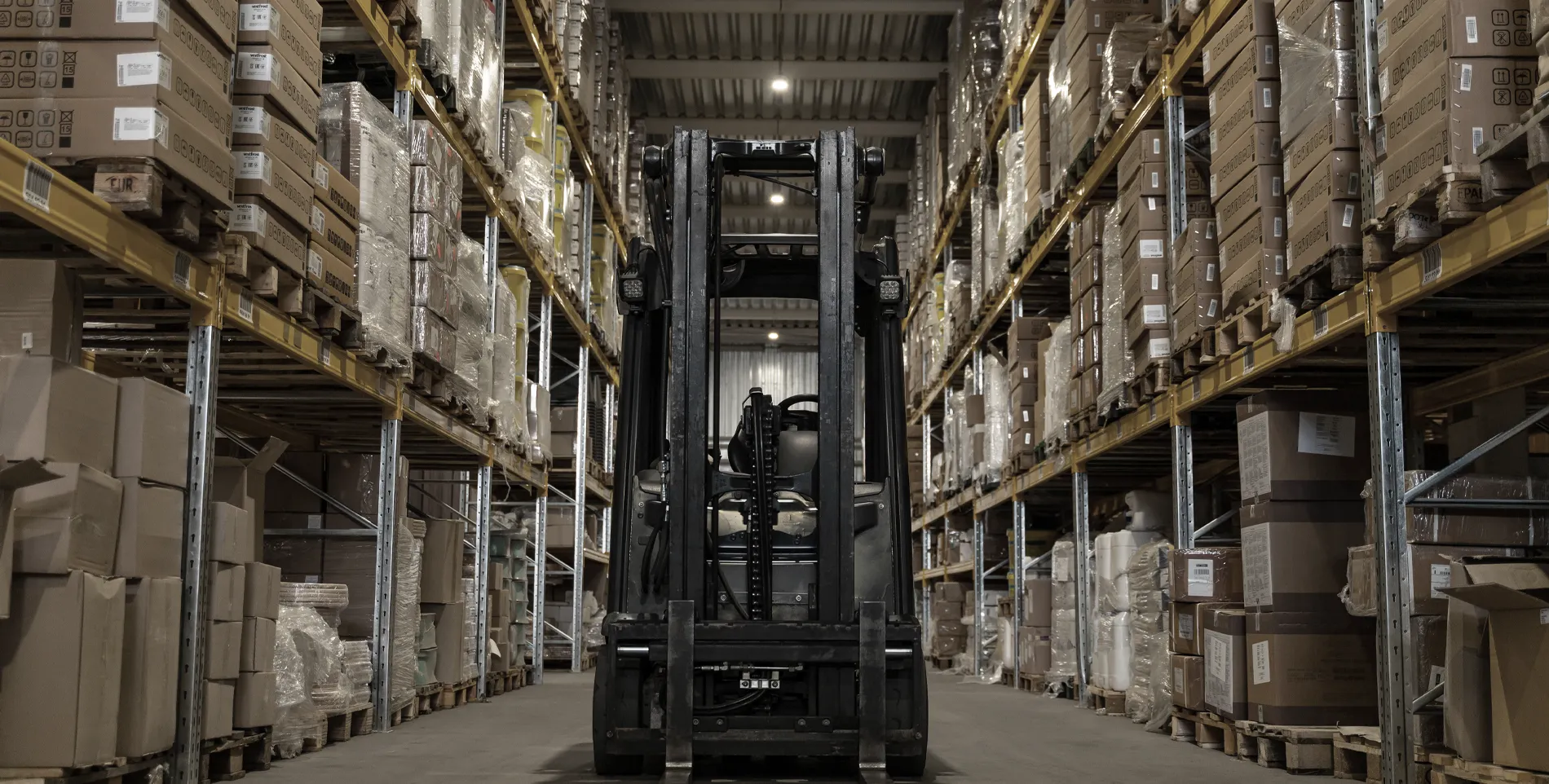
Your load consolidates. Your visibility shouldn't.
LTL is the right mode when your shipment runs between 1 and 15 standard pallet positions, or when weight and cube don't justify booking a full trailer. You share the trailer space with other shippers and pay only for what you use. The tradeoff, in most cross-border scenarios, is visibility: once the freight enters a consolidation hub on either side of the border, tracking often goes quiet until the next scan event.
Cross-border LTL adds a layer of complexity that domestic LTL doesn't have. The freight typically moves on a Mexico-side carrier to the border, clears customs, transfers to a U.S. carrier at the crossing, and then routes through a domestic LTL network to the final destination. Each transition is a point where communication can break down, documentation can be missing, or a delivery appointment can be missed without anyone notifying the shipper until the freight is already delayed.
At PC Global Logistics, we manage the full movement under one team and one reference number. We coordinate the Mexico-side carrier, handle customs documentation on both sides, arrange the U.S.-side transfer at Laredo, and hand off to a trusted domestic LTL carrier for the final leg. You work with one contact throughout. If something shifts at the crossing, you hear about it from us, not from a third-party broker who got a call from someone else's dispatcher.
One team. Every leg of your LTL shipment.
A cross-border LTL shipment through PC Global Logistics follows a coordinated process that keeps your freight moving without communication gaps at the consolidation points or the border crossing.
Weight, cube, commodity, pickup date, and delivery destination confirmed. Freight class assigned based on NMFC classification. Documentation checklist reviewed before the truck is dispatched in Mexico.
Carrier collects the freight at the origin facility. Packing list and bill of lading verified on-site. CAAT and Mexico-side export documentation prepared before departure to avoid holds at the crossing.
Pedimento filed and Previo inspection coordinated before the truck reaches the bridge. U.S. CBP entry processed simultaneously. Freight transfers to the U.S.-side carrier at our Laredo facility with a verified piece count.
Freight moves through our domestic LTL carrier network to the destination city. For regional deliveries within Texas, transit typically runs 1 to 2 days from the crossing. Longer lanes route through established hub networks with standard LTL transit schedules.
POD captured and sent to your team. Customs documents archived and available on request. Exception alerts sent directly to your contact if a delivery appointment or transit window changes at any point in the move.
"Not every shipment fills a trailer. Every shipment should still move like it does."
PC Global Logistics. Laredo, Texas. Since 2016.Estimated transit times for cross-border LTL.
Transit times on cross-border LTL shipments vary by origin city, destination region, border processing speed, and the domestic LTL network serving the final destination. The ranges below reflect standard transit under normal border conditions. We pre-file customs documentation before the truck reaches the bridge to minimize hold time at the crossing.
| Mexico Origin Region | U.S. Destination Region | Estimated Transit | Border Crossing | Notes |
|---|---|---|---|---|
| Monterrey / Nuevo León Fastest | Texas (all major cities) | 1–2 days | Laredo, TX | Closest northern Mexico origin to Laredo corridor |
| Bajío (Guanajuato, Querétaro, Aguascalientes) | Texas / South Central | 2–3 days | Laredo, TX | High automotive and manufacturing volume lane |
| Mexico City / CDMX | Texas / South Central | 3–4 days | Laredo, TX | Origin leg adds transit before the crossing |
| Guadalajara / Jalisco | Texas / Southwest | 3–4 days | Laredo, TX | Electronics and consumer goods corridor |
| Any Mexico origin | Midwest (IL, MO, KS, OH) | 4–6 days | Laredo, TX | Routes through domestic LTL hub network post-crossing |
| Any Mexico origin | Northeast / West Coast | 6–8 days | Laredo, TX | Add 1 to 2 days for facility delivery appointments |
Transit estimates assume standard border processing. Times may vary based on commodity type, customs holds, carrier availability, and delivery appointment scheduling at the destination facility.
LTL without the visibility gap.
Most LTL providers hand off cross-border freight at the border and lose the thread. We keep one team accountable across every leg of the move, from pickup in Mexico to delivery in the United States.
Single-Team Accountability Across the Border
The most common failure point in cross-border LTL is the handoff. A Mexico-side broker sends the freight to the crossing, and a separate U.S. team picks it up on the other side. When there is a documentation issue, a delay at customs, or a missed delivery window, each team points to the other. At PC Global Logistics, one team coordinates both legs. If something needs to be resolved at the crossing, we resolve it without asking you to call another contact. Your shipment has one reference number and one team from origin to delivery. For details on how we manage the full move, see our Cross-Border Freight service.
Customs Coordination Built Into Every LTL Move
Cross-border LTL requires the same customs documentation as a full truckload: pedimento, commercial invoice, packing list, CBP entry on the U.S. side, and in some cases additional permits depending on the commodity. Smaller LTL shipments are not exempt from these requirements, and errors or missing documents create the same border holds regardless of the load size. We pre-file all documentation before the truck reaches the bridge. The pedimento is filed with the Mexico-side customs broker and the U.S. CBP entry is submitted simultaneously so that when the truck arrives at the port of entry, the clearance is already in process. See our Customs Coordination service for a full breakdown.
The Right Mode for Growing Shippers
LTL is the natural entry point for importers and distributors who are building cross-border volume but aren't yet running consistent full-trailer loads on a weekly cadence. It lets you move freight without committing to dedicated capacity you don't fully utilize. As your volume grows and the freight on a given lane consistently exceeds 15 pallets or pushes toward trailer capacity, we can transition that lane to a dedicated FTL program without disrupting your operations. We have shippers who started on LTL and moved to contracted FTL over 12 to 18 months as their U.S. distribution grew. We structure the relationship to grow with you, not to lock you into a mode that no longer fits. See our Full Truckload service when you're ready for that conversation.
LTL Freight FAQ.
Ready to move your first LTL load?
Tell us your origin city, destination, pallet count, weight, and commodity. We'll come back with an all-in rate that covers both sides of the border and customs coordination, typically within the same business day. No hidden fees added after the shipment moves.